In the world of dog ownership, one common misconception is that dogs need acres of land to be happy. While the image of a dog joyfully roaming a big property seems ideal, the truth is far more rooted in psychology and behavior. At GSD Safety-K9 Training in Scottsdale, AZ, we know that what dogs truly crave isn’t just space—it’s connection.
Dogs Are Pack Animals, Not Lone Explorers
Dogs are descended from wolves, and like their ancestors, they are pack animals. This means they thrive in social environments, especially with their human families. Whether you’re training a high-drive German Shepherd, a calm family companion, or a young puppy, one thing remains consistent: dogs want to be close to their people.
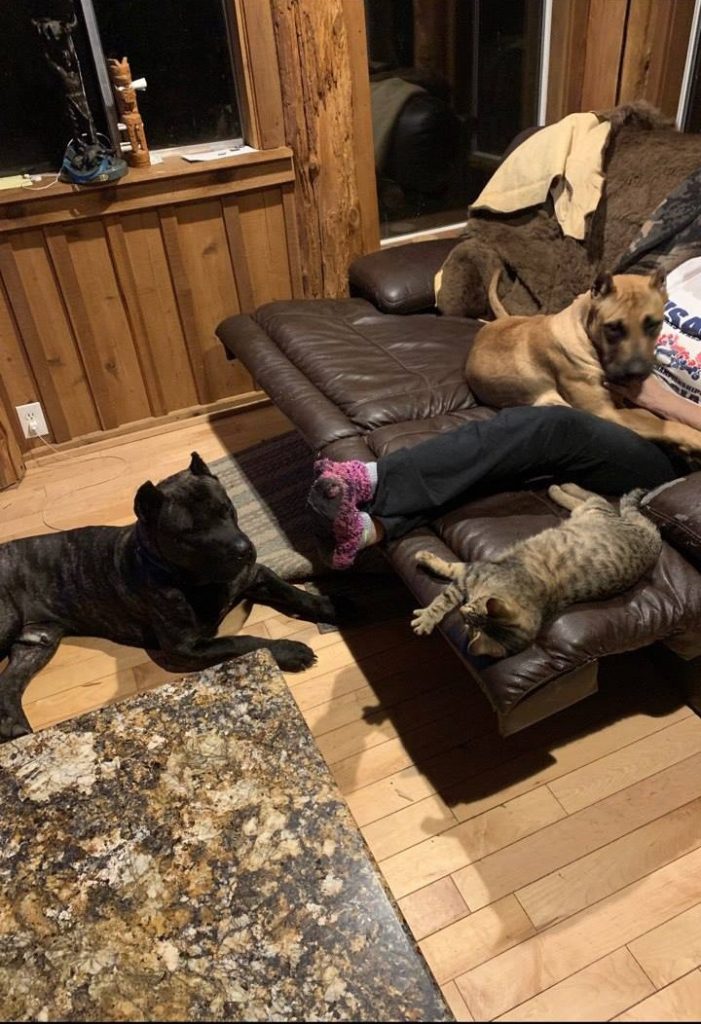
Sure, they enjoy walks, playtime, and structured exercise—but even more important than physical activity is proximity to their pack leader. If you work from home or spend time on the computer, your dog is often content just lying at your feet. You are their whole world.
In our board and train programs, we regularly see that dogs respond best not just to structure, but to the human bond that training helps reinforce. Dogs aren’t looking to roam—they’re looking to belong.
Do Dogs Need a Big Yard?
A potential client recently called us asking for a puppy. He proudly shared that he had ten acres of land, assuming it would be perfect for a dog to run and explore. While space can be beneficial, it’s not the most critical factor in a dog’s happiness or behavior. Dog training and quality time with their owner matter much more than square footage.
Dogs, unlike horses, don’t instinctively roam large areas. In fact, many dogs living in apartments with structured routines and regular walks are happier and better behaved than dogs left alone on acres of property. Dogs are happiest when their time includes mental stimulation, clear leadership, and regular interaction with their handler.
At GSD Safety-K9 Training, we regularly work with clients who live in condos or homes without yards—and their dogs thrive. The key is consistency, not real estate.
It’s OK to Leave Your Dog Alone (Sometimes)
We often meet dog owners who feel guilty about leaving their dog at home during a workday. Here’s the good news: most dogs sleep anywhere from 15 to 20 hours a day. While humans may squeeze in 6 to 8 hours a night, dogs rest far more throughout a 24-hour cycle. A healthy adult dog can also hold their bladder for 8 to 12 hours if needed.
So, if you’re out working a regular 9–5, your dog isn’t pacing anxiously all day long—they’re likely napping, waiting for your return. What truly matters is what happens when you do get home. Are you offering your dog structure, leadership, and interaction? If so, you’re meeting their needs.
If you’re traveling or working long hours for extended periods, dog boarding or a board and train program in Scottsdale may be the right solution. It keeps your dog active, engaged, and socialized during your time away.
The Dangers of Isolation
While solitude during the day is manageable for most dogs, constant isolation is not. Dogs that are left outside, chained up, or locked in a kennel full-time can develop behavioral problems. Prolonged social deprivation often results in:
-
Depression or lethargy
-
Anxiety and stress behaviors
-
Destructive chewing or digging
-
Aggression from frustration
Chaining a dog or leaving them isolated in the yard may seem like a way to give them space, but in reality, it denies them the most important element in their life—you.
We see this firsthand in our behavior modification training programs. Many reactive or aggressive dogs we work with were under-socialized or isolated for too long. They don’t need punishment—they need balance, training, and a chance to reconnect.
Why Dogs Want to Be With You
The answer is simple: dogs are wired for companionship and purpose. When you bring a dog into your home, you become their pack leader. Their routine, safety, and fulfillment are tied to your presence and guidance.
This is why many police officers, security professionals, and protection dog owners bring their K9s home after a shift. These working dogs offer home protection, yes—but they’re also companions and family members. When a protection dog is trained correctly, they are social, obedient, and safe around children and guests. Their life isn’t just work—it’s relationship.
At our facility, we train and sell protection dogs that are home-ready, obedient, and loving. Their value isn’t in their strength alone, but in their ability to bond with their handler and know when to act.
The Importance of Structure
Whether you live on a ranch or in a studio apartment, structure is the #1 factor in creating a happy, well-behaved dog. That includes:
-
Regular mealtimes
-
Consistent training sessions
-
Walks and mental stimulation
-
Boundaries in the home
-
Respectful leadership
Dogs thrive under predictable conditions. That’s why our board and train programs are so effective—they give dogs the time, space, and consistency to internalize obedience, correct bad habits, and build calm confidence.
Once they return home, they’re not only better behaved—they’re mentally fulfilled.
Quality Time Beats Quantity of Space
To sum it up: dogs don’t care how big your house is or how many acres you own. What they care about is being with you, feeling safe, and knowing what’s expected of them. Whether you’re training a Belgian Malinois for protection or raising a rescue pup from the shelter, the ingredients for success are the same—leadership, structure, and love.
So the next time someone says, “I have a huge yard, so my dog will be fine,” remember this blog. Dogs don’t want to roam—they want to belong.
Looking for professional dog training, board and train programs, or protection dogs in Scottsdale? At GSD Safety-K9 Training, we offer personalized training and care built on decades of experience. Whether you’re seeking off-leash obedience, behavior help, or a fully trained guardian, we’re here to help you build the bond your dog was born to have.